Where Licorice Comes From
Licorice root comes from a legume grown across the Mediterranean and western Asia. It has served as a sweetener and a digestive remedy for thousands of years, and the root is genuinely sweet — far sweeter than sugar by weight.
The compound responsible is glycyrrhizin. The panel names it as monoammonium glycyrrhizinate, a salt used both for taste and for what it does on its own. The important thing to register is that this is the active version, not the deglycyrrhizinated form sold for stomach complaints.
One of twenty-three ingredients in every dropper
The Job It Does Here
In a formula like this, licorice does two jobs. It sweetens, which matters in a liquid people have to taste every morning. And it carries its own traditional use for digestive comfort.
Research on licorice compounds and glucose metabolism exists but is early and largely not human. No claim is being constructed on that foundation. Read licorice here as a flavour and traditional-use ingredient, and read everything below as the more important half of the page.
It sits alongside Panax Ginseng and Gymnema in the botanical half of the blend.
How Strong Is The Evidence?
The safety pharmacology is the well-established part. Glycyrrhizin inhibits an enzyme that normally shields a receptor from cortisol. At sustained intakes the result is sodium retention, potassium loss, rising blood pressure and, in serious cases, muscle weakness or a heart rhythm disturbance.
This is not a fringe worry. Several countries publish intake guidance for glycyrrhizin, and case reports of licorice-related hypertension and low potassium appear regularly in the medical literature — usually from confectionery or tea rather than supplements, but the mechanism is identical.
The glucose research is early. Cell and animal work, not human trials. It gets a mention and carries no weight.
Amount, Timing And What Is Disclosed
Inside the 200 mg blend, so undisclosed. For most healthy adults the quantity in a shared blend of that size is small. Small is the right word; undisclosed is the honest one, and together they are a fair reason for caution if your blood pressure is already high.
Do not double the dose. Do not run it alongside a daily licorice tea or black licorice habit. If you already eat licorice regularly, this ingredient is the reason to mention the product to your doctor.
Who Should Check First
The clearest do-not-take list anywhere on this site.
- High blood pressure, treated or not
- Heart failure, or any heart rhythm problem
- Kidney disease
- Low potassium, or anything that lowers it — most diuretics do
- Anyone taking digoxin, where potassium levels matter a great deal
- Pregnancy, where glycyrrhizin intake is specifically discouraged
Stop and see a doctor for swollen ankles, unusual muscle weakness or cramp, a headache that will not shift, or blood pressure readings that climb.
Two Things It Is Not
Not the same as DGL. The deglycyrrhizinated version has had the troublesome compound stripped out and comes without these warnings. This formula uses the active form.
Not just flavouring. It does sweeten, but glycyrrhizin is pharmacologically active and deserves reading as an ingredient rather than a taste.
Not medical advice. Prescription medication, pregnancy, breastfeeding or a diagnosed condition all mean a word with a doctor or pharmacist before you start. The full interaction list lives on the safety checklist.
Licorice: Common Questions
What readers ask about this ingredient specifically.
Why is licorice treated as a safety issue?
Glycyrrhizin makes the body hold sodium and lose potassium, which raises blood pressure. Kept high for long enough, that stops being trivial.
How much is too much?
Guidance varies by country and the amount here is undisclosed. With high blood pressure or kidney disease, the safe answer is not to take it without asking a doctor.
Is it safe with a water tablet?
Check with your doctor. Many diuretics lower potassium and licorice does the same, so the pair deserves supervising.
Should I stop eating black licorice while taking it?
If you eat it regularly, mention both to your doctor. Same pathway, and the quantities stack.
The Other Seven
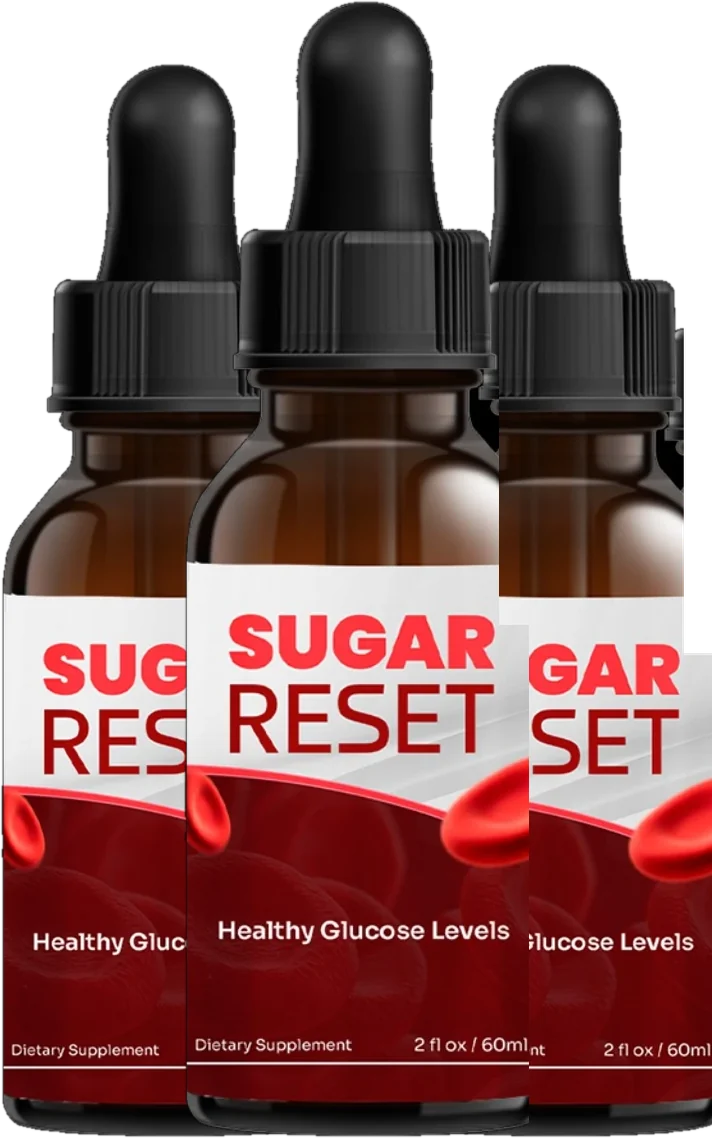
Every Ingredient, One Daily Dropper
One dropper in the morning, sixty days to decide, and a page for every ingredient so you are never buying blind.
- Ten seconds a day, straight under the tongue
- Supports glucose already inside a healthy range
- Chromium declared with its own amount
- Sixty days to send it back