What One Short Night Does
Controlled studies have restricted healthy volunteers to four or five hours of sleep and then measured how they handle glucose the following day. The finding is consistent: insulin sensitivity drops measurably, sometimes substantially, after even a single short night.
Appetite moves in the unhelpful direction at the same time. Hunger signalling rises, satiety signalling falls, and the foods people reach for shift towards fast carbohydrate. That combination is why a bad night so reliably produces a bad eating day.
The scale of it deserves emphasis. No supplement discussed anywhere on this site produces an effect on glucose handling comparable to a week of short sleep, in either direction.
Why Night Work Is Its Own Problem
Shift work adds a second layer. Your body runs an internal clock that expects food during the day and sleep at night, and glucose tolerance genuinely varies across that cycle — the same meal produces a larger rise at three in the morning than at midday.
So a night worker eating a full meal at four a.m. is asking the body to handle carbohydrate at its least capable hour, while also sleeping in daylight, which is shorter and lighter sleep for most people.
This is not a reason for despair and it is a reason to plan differently rather than pretending the clock does not exist.
What Actually Helps On Nights
Eat your main meal before the shift, not during it. Treat the overnight hours as a long gap with light food rather than a second dinner.
Keep overnight food protein-led. Eggs, yoghurt, nuts, leftover chicken. Save the carbohydrate-heavy option for the meal before you start.
Guard the sleep block like an appointment. Blackout curtains, a phone left in another room, and a household that treats the door as closed. Seven hours in daylight is achievable and most people simply never set it up.
Front-load caffeine. Early in the shift, then stop. This matters with this product specifically, because Green Tea and Guarana both carry caffeine and a dropper taken at the wrong hour costs you sleep you cannot spare.
Walk on your break. Ten minutes on foot after eating helps clear glucose without waiting on insulin, and it is even more useful when insulin sensitivity is already down.
Catching Up Works, Partly
Recovery sleep does restore a good deal of what short sleep costs, which is genuinely encouraging. It does not appear to restore all of it, and a permanent pattern of five hours during the week and ten at the weekend is not equivalent to seven every night.
If your schedule is fixed and unforgiving, aim for consistency within it rather than perfection against it.
Where This Leaves A Supplement
A long way down the list. If you are sleeping five hours a night, that is the thing worth attention, and a dropper is not going to make up the difference.
If sleep is already reasonable and you want one small addition on top, that is a different conversation and the mechanism page is where it belongs.
General information only. This entry is not medical advice and Sugar Reset is not a treatment for diabetes. Pregnancy, breastfeeding, being under 18, a diagnosed condition or any prescription all mean putting it in front of a doctor or pharmacist before the first dose. Full detail on the safety checklist.
Questions On This Entry
Short answers to what readers ask about this topic.
Does poor sleep really affect blood sugar?
Yes, and measurably. Controlled studies show insulin sensitivity dropping after even a single short night, alongside a rise in appetite signalling.
Should night workers eat during the shift?
Lightly and protein-led. Glucose tolerance is genuinely lower overnight, so the main meal is better placed before the shift starts.
Can I catch up on sleep at the weekend?
Partly. Recovery sleep restores a good deal but not everything, and consistency beats a weekly swing between five and ten hours.
When should I take a caffeine-containing supplement on nights?
Early in the shift, then stop. Anything late eats into sleep you already cannot spare.
Keep Reading
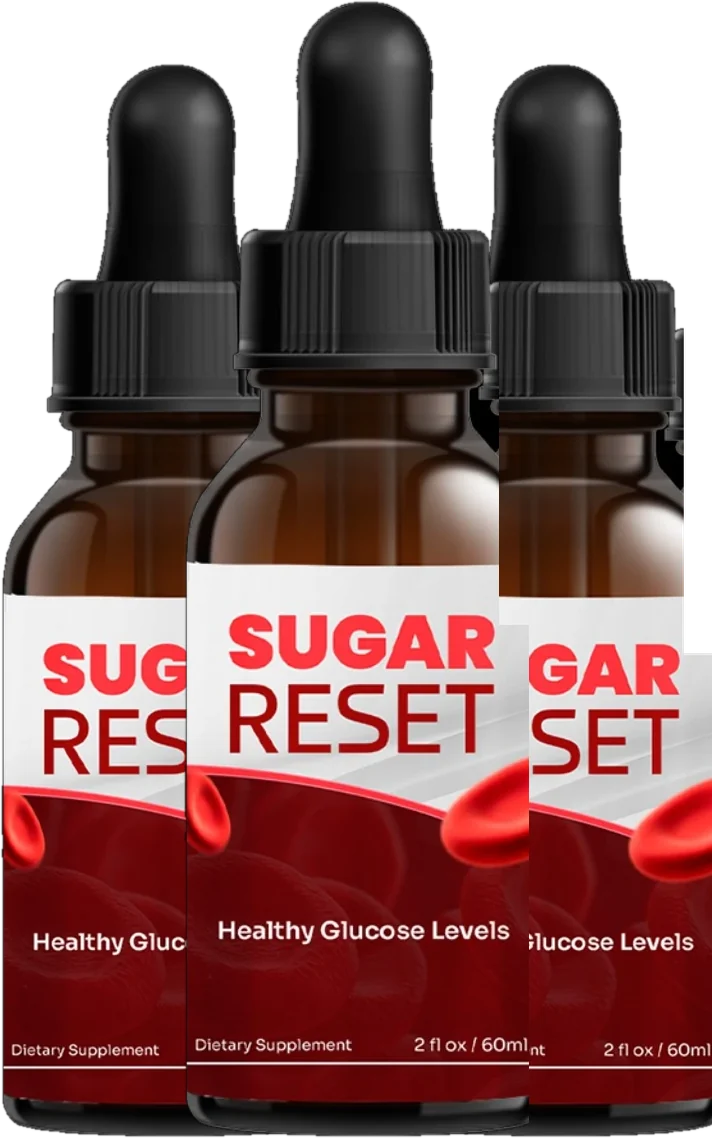
Sixty Days To Make Up Your Mind
One dropper in the morning, sixty days to decide, and a page for every ingredient so you are never buying blind.
- Ten seconds a day, straight under the tongue
- Supports glucose already inside a healthy range
- Chromium declared with its own amount
- Sixty days to send it back