Start With The Sum
A panel lists a proprietary blend at 200 mg containing twenty-two ingredients. Split evenly, that is about nine milligrams each.
Now put researched doses beside it. Ginseng trials generally use 100 to 400 mg of standardised extract. Green tea catechin work runs into several hundred milligrams. Beta-alanine research uses three to six grams. Glutamine craving studies use grams. Even the most generous reading of that blend cannot get most of these ingredients within a factor of ten of the amounts that produced the published results.
They are of course not split evenly. Ingredients in a blend are listed by weight, so the first name is the largest share. But the distribution is unknowable, and that is precisely the point of listing them that way.
Three Reasons Blends Exist
Recipe protection. The stated reason. A competitor cannot copy exact ratios. There is something in it, though the ingredient list itself is public, which is most of a recipe.
Cost. The unstated one. A blend lets a cheap bulking ingredient carry most of the weight while the expensive, impressive names sit at the bottom in trace quantities. The trade calls this label dressing and it is close to standard practice.
Count as marketing. Twenty-three names read as generous. Pack that many into 200 mg and most of them cannot possibly be present in a meaningful quantity.
Four Things You Can Still Do
Judge it on what is declared. Here that is Chromium, printed with its own figure. It has a real nutritional role and it is checkable. Everything else is a bonus you cannot audit, and pricing it accordingly is reasonable.
Look for effects you can test. Gymnema produces a taste change you can confirm in a minute. That does not tell you a dose, but it does tell you a functional amount is present, which is more than most blend ingredients can claim.
Weigh the return policy heavily. A sixty-day window is the seller allowing you to test what the label will not tell you. On a blended product that is worth more than it would be on a fully disclosed one.
Price it for what it is. Not twenty-three actives. One declared mineral, one verifiable effect, and a list taken on trust.
Does This Mean Do Not Buy It?
No, and precision matters more than drama here.
A blend is a transparency problem rather than a safety one, and blends are near-universal in this aisle. Plenty of people are happy with products that use them. What a blend changes is the value proposition: you are buying a routine, a format and one disclosed mineral, plus a list you cannot verify.
If that trade is acceptable at the price, buy it. If you want to know what you are taking to the milligram, buy single-ingredient products where you can. Both positions are defensible. The indefensible move is dressing a blend up as an advantage.
The One Amount We Would Most Like Disclosed
Licorice, without hesitation. It is the single ingredient here with a genuine safety ceiling — glycyrrhizin raises blood pressure and depletes potassium at sustained intakes. The amount is very likely small. Very likely is not known, and for anyone with high blood pressure or kidney disease that gap is reason enough to ask a doctor rather than assume.
That is the sharpest practical cost of a proprietary blend, and it is why the safety checklist is the longest page here.
General information only. This entry is not medical advice and Sugar Reset is not a treatment for diabetes. Pregnancy, breastfeeding, being under 18, a diagnosed condition or any prescription all mean putting it in front of a doctor or pharmacist before the first dose. Full detail on the safety checklist.
Questions On This Entry
Short answers to what readers ask about this topic.
What is a proprietary blend?
One combined figure standing in for several ingredients, none of them itemised. It makes the dose of any one ingredient unknowable from the outside.
Is a blend dangerous?
Usually not. What you are looking at is a disclosure failure, not a hazard. It becomes one only where an ingredient carries a documented upper limit, at which point the missing figure starts to matter.
How should I value a blended product?
On what is declared, on any effect you can test yourself, and on the return policy. Treat the undisclosed list as a bonus rather than the reason to buy.
Do most supplements use blends?
A great many do. It is close to standard practice in this category, which is why the arithmetic above is worth learning once and reusing.
Keep Reading
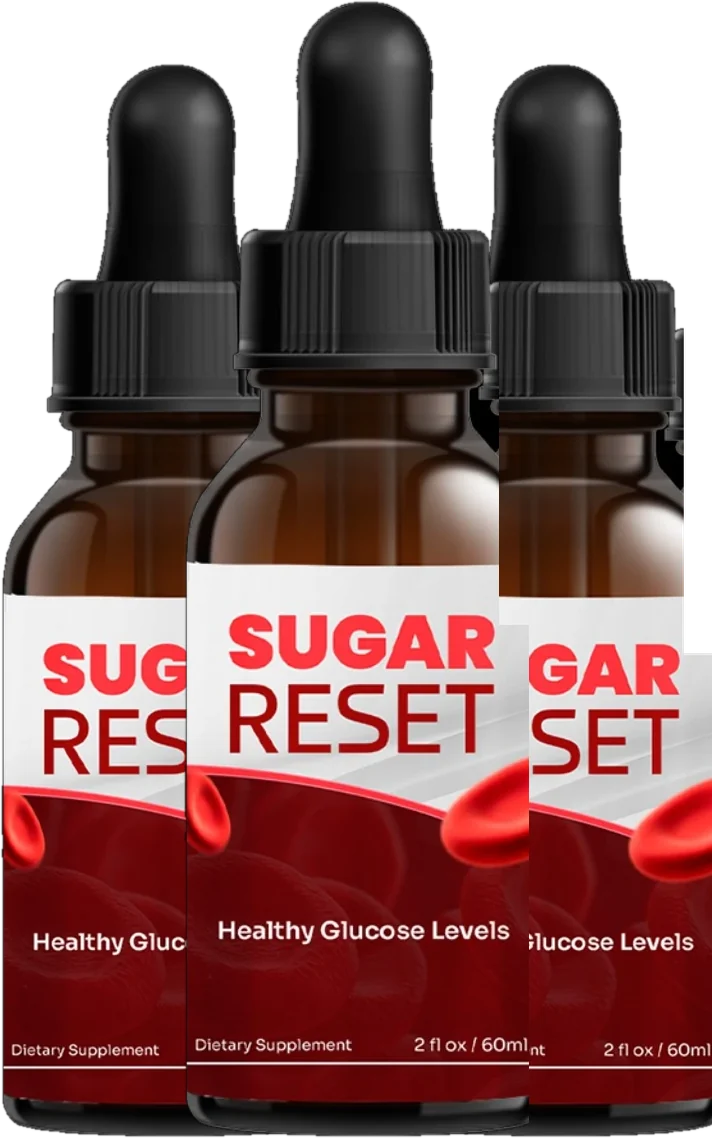
Sixty Days To Make Up Your Mind
One dropper in the morning, sixty days to decide, and a page for every ingredient so you are never buying blind.
- Ten seconds a day, straight under the tongue
- Supports glucose already inside a healthy range
- Chromium declared with its own amount
- Sixty days to send it back